Pastor Christian Gisanura delivered a powerful teaching emphasizing the importance of continually thanking God, who faithfully watches over us and all that belongs to us, because we are His.
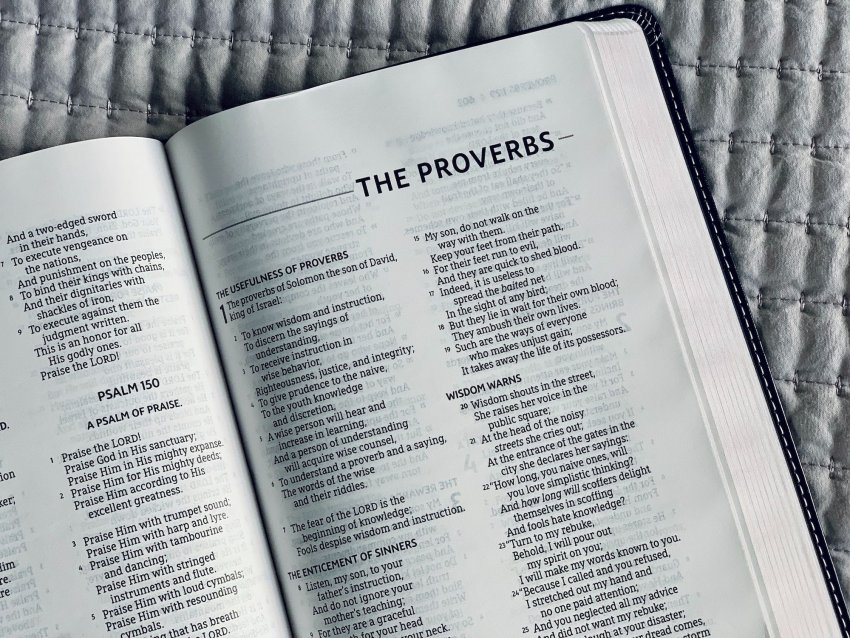
In his message, he clearly explained the difference between knowledge and wisdom, and the consequences of possessing one without the other.
Referring to Romans 11:33, 36, Pastor Gisanura highlighted the immeasurable riches of God’s wisdom and knowledge, noting that everything originates from Him. This reflection leads believers to question how knowledge and wisdom function in their daily lives.
Knowledge, he explained, refers to what a person knows—skills, talents, and abilities given to them. When someone performs exceptionally well, surpassing others or working with great speed and precision, that person is considered skilled or talented.
Wisdom, however, is the ability to apply that knowledge effectively: identifying opportunities, finding solutions, and using what one knows in a productive way.
A person may possess great talent and extensive knowledge, yet fail to produce results because they lack the wisdom to apply what they have. This explains why many knowledgeable people remain poor—not because God has neglected them, but because they failed to use wisely what God placed in their hands.
Pastor Gisanura taught that when knowledge and wisdom are combined, they produce true wealth. This wealth is not limited to money alone, but includes richness in life, ideas, purpose, and future stability.
He illustrated this truth using the story of Moses, when God asked him, “What do you have in your hand?” Moses replied, “A staff.” That ordinary object—simple and familiar—became the instrument God used to perform extraordinary miracles. This teaches that nothing we possess is useless unless it is withheld from God’s hands.
Likewise today, we all have knowledge, talents, and abilities. What we need is to ask God for the wisdom to use them properly, beyond our natural understanding. God is able to do exceedingly more than what we think or ask.
When challenges arise, believers should not fall into despair or isolation. Instead, they should allow God to guide them, because many solutions already lie within us—we simply need the wisdom to recognize them.
Pastor Gisanura warned that many people sit idle, discouraged, expecting sympathy from the world. Yet the world shows no mercy. One must rise, seek solutions, and take responsibility, because no one will do for you what you are meant to do for yourself.
When a person has knowledge but refuses to seek wisdom to make it productive, the consequences can extend to their children. Poverty may then appear as though it were caused by God, when in reality it results from failing to use wisely what God has provided.
He reminded believers that when we pray, God connects us to what will sustain us. Wisdom is the ability to discern opportunities, manage time, and distinguish what will benefit or damage our future.
However, he also gave a strong warning: many people forget God once they attain wealth, status, or success—yet it was God who gave them the wisdom to achieve it. They gain good jobs, money, and honor, then slowly distance themselves from God, forgetting the One who lifted them up.
The right response, Pastor Gisanura emphasized, is to pray even more as God blesses us more. Knowledge—such as learning mathematics or other skills—is not only for earthly use but also has spiritual value, influencing every area of life.
Believers should not focus only on what they can do today, but also prepare for a future when strength may diminish and opportunities may change.
He cautioned that when young people waste their lives in drunkenness, sexual immorality, and disregard for the future, they are planting seeds of regret. Parents, too, must live responsibly, because what they sow—whether grace, kindness, or wrongdoing—will affect their children.
This teaching reminds us that while God has given us knowledge, He also calls us to seek wisdom to apply it—so that we may attain true wealth, glorify Him, and build a secure and meaningful future for ourselves and the generations to come.




![Featuring Chryso, Israel Mbonyi, James & Daniella and others released a song titled 'Rwanda Shima Imana' [Turaje]](http://paradise.rw/local/cache-vignettes/L350xH197/whatsapp_image_2024-09-23_at_15.26_06_15e47f5f-2-82837.jpg)